
Add Row
Add Element
UPDATE
Add Element
  • Home
  • Categories
    • Technology & Innovation
    • A.I. Explained
  • A.I. Tools & Breakthroughs
  • Robotics & Automation
  • AI in Business & Marketing
  • AI Ethics & Society
  • AI Video & Media Creation
  • Financial Tech & Funding
July 22.2025
3 Minutes Read

The Future of Robotics: How Adaptive Humanoids Are Revolutionizing Industries

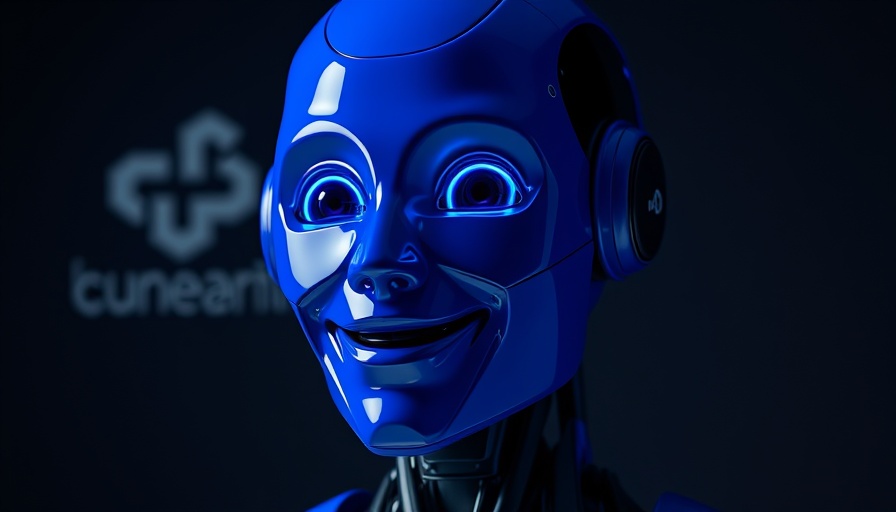
Adaptive Humanoids Evolution in Robotics: smiling blue robot head.

The Rise of Adaptive Humanoids: A New Era in Robotics

The recent updates to Engineered Arts' Ameca robot signal a transformative moment in robotics, illustrating how advanced technologies can redefine roles across industries. Ameca can swiftly morph its entire identity—from name to voice and personality—tailoring its skills to meet specific demands through a remarkably user-friendly browser interface. Bypassing traditional programming hurdles, users can now drag and drop their desired traits for the robot, enabling it to function seamlessly as anything from a customer service agent to a paint salesperson in mere seconds. This capability highlights an exciting shift towards making humanoid robots practical assets rather than just impressive gimmicks.

In "Upgraded AMECA is SHOCKINGLY Real: Turns Into Anyone You Want in Seconds," the discussion dives into the rapid evolution of humanoid robots, exploring key insights that sparked deeper analysis on our end.

The Need for Efficiency in Industrial Environments

As industries across the globe grapple with labor shortages and the need for enhanced efficiency, robots like UBTech's Walker S2 are stepping in with innovative solutions. This robot’s ability to autonomously change its battery means it can operate continuously without human intervention, a game-changer for manufacturing sites. With a focus on maintaining productivity during non-stop operations, the Walker S2 is poised to transform how factories function, thanks to its smart energy management system that optimizes performance based on task urgency. By introducing standardized battery platforms across fleets, scaling these robots to multiple production environments can happen without unnecessary complexity.

Shifting Paradigms in Humanoid Robotics

The evolving landscape of humanoid robotics isn’t limited to Engineered Arts and UBTech. Companies like Leu Robotics are also making impressive strides, focusing on creating adaptable robots for various industrial applications. Their dual-track strategy emphasizes both research and development while establishing a robust industrial service ecosystem. This could offer considerable advantages to sectors like healthcare and education as robots gain the flexibility to perform specific tasks tailored to each environment, augmenting the human workforce rather than replacing it. For Michigan's tech startups in the robotics sector, such advances can pave the way for innovation across multiple fields and attract local venture funding.

The Implications of AI Integration in Robotics

Integrated AI capabilities enhance the functionality of humanoid robots, allowing them to adapt and learn from their environment in real-time. The potential for these robots to execute dangerous tasks, such as high-heat welding, in shipbuilding, showcases their expanding role in addressing workforce gaps in hazardous settings. Hyundai’s collaboration with Neura Robotics signifies a significant investment in developing resilient and intelligent machines, indicating strong backing from major players in the tech landscape. This trend may lead the Detroit tech scene to focus more on robotics technology, which is often overlooked compared to software and IT advancements.

Strategies for Michigan's Tech Innovators

Michigan's tech founders, professionals, and investors stand at a crucial juncture. With initiatives like Outskill providing free training in AI and automation, there's an incredible opportunity for entrepreneurs to upscale their knowledge and drive innovation in AI robotics. Investing in educational programs and bootcamps could equip the workforce with necessary skills, preparing them for future automation waves. Moreover, collaboration within Michigan's innovation hubs can foster the exchange of insights and strategies, propelling growth in emerging technologies like robotics, AI, and IoT.

Addressing Challenges and Embracing the Future

While the advancements in humanoid robotics are promising, they also pose questions about job displacement and the ethical implications of employing robots in critical roles. As industries seek to embrace this technology, dialogue surrounding responsible AI usage and workforce adaptation is essential. Engaging policymakers, industry leaders, and community members will be vital to ensure a balanced transition that maximizes benefits while addressing potential risks.

In summary, the rise of adaptive humanoids like the Ameca, Walker S2, and others illustrates a significant leap toward practical robotics that can transform various sectors. Michigan's tech ecosystem is well-placed to harness these developments, provided that stakeholders collaborate closely to foster innovation, education, and responsible integration of these sophisticated machines.

Technology & Innovation

0 Comments

Write A Comment

*
*
Related Posts All Posts
02.23.2026

How China’s New AI Robots Influence Detroit Tech Startups and Innovation

Update The Rise of AI Robotics: A Game Changer for Tech Innovation As we stand on the brink of a new era dominated by artificial intelligence and robotics, the recent advancements from China’s new AI robots have sparked significant excitement among tech enthusiasts and professionals alike. These robots, showcasing advanced skills once thought impossible, present profound implications for the global tech landscape, including subsystems like design, automation, and interactive capabilities. For the tech founders and investors in Michigan and Metro Detroit, staying informed about these developments is crucial, as they hint at future trends that could impact Michigan's innovation ecosystem.In China’s New AI Robots Shock Everyone With Impossible Skills, the discussion dives into the exciting advancements in robotics, exploring key insights that sparked deeper analysis on our end. Understanding the Implications of AI Advancements The rapid evolution in AI robotics underscores significant potential. From carrying out intricate tasks with unparalleled precision to enabling comprehensive data analysis, such advancements represent a leap forward. They not only change the dynamic in manufacturing processes but also influence sectors like healthcare, logistics, and even social interactions. As these technologies mature, they present opportunities for Michigan companies, especially within the Detroit tech startups, to integrate AI into their operations and tap into new efficiencies. Real-World Integration: How Michigan Can Benefit For professionals and investors in Metro Detroit software development, these advancements raise critical questions: How can local businesses leverage AI robotics for greater productivity? The answer lies in the fusion of local initiatives with cutting-edge technology. Michigan is positioned to become a key player in the AI robotics field, especially with its renowned Michigan innovation hubs and a competitive landscape that fosters collaboration. This vibrant ecosystem allows budding entrepreneurs to interact with established firms, creating synergies that facilitate adoption and innovation. Matching Local Skills with Global Opportunities The implications of AI robotics go beyond just technological adoption; they also necessitate a skilled workforce. The introduction of these advanced systems requires workers proficient in AI, machine learning, and robotics. Michigan's Detroit tech workforce can prepare for this shift through tailored educational programs, such as Michigan coding bootcamps focused on AI and robotics. By investing in the next generation of tech talent, Metro Detroit can ensure it remains at the forefront of these technological advancements. Funding the Future: Investment Trends in AI Investors in Michigan are advised to keep an eye on Michigan venture funding directed toward AI and robotics. As these technologies gain traction, the demand for investment will increase, presenting opportunities for high returns. By aligning funding strategies with the trends seen in global developments, local investors can position themselves advantageously within a dynamic market ripe for innovation. Michigan's Strategic Positioning in AI Robotics The developments in AI robotics are not isolated to China; they have global ramifications that Michigan can capitalize on. The state's initiatives in AI, including those in Detroit digital transformation and Metro Detroit data analytics, present a solid foundation for growth. By promoting strategic partnerships between AI innovators and industry leaders, Michigan can enhance its standing in the burgeoning AI sector. Community Engagement in Tech Innovation The role of community engagement in embracing AI technologies cannot be overstated. Community-driven Detroit tech events and initiatives that highlight the importance of emerging technologies serve as a platform for knowledge sharing and networking. Such events can also demystify AI for broader audiences and inspire the next generation of innovators. In conclusion, as we analyze the advancements highlighted in China’s New AI Robots Shock Everyone With Impossible Skills, it's clear that the convergence of artificial intelligence and robotics holds transformative potential for sectors ranging from manufacturing to healthcare. Embracing these innovations will be vital for tech founders, professionals, and investors within Michigan’s vibrant innovation ecosystem. By actively participating in the discourse, to leverage local strengths and foster collaborative growth, Michigan can harness the opportunities available in the robotics industry.

02.22.2026

Discover How Gemini 3.1 is Transforming Michigan's AI Landscape for Tech Startups

Update Understanding the Impact of Gemini 3.1 on AI Landscape The unveiling of Gemini 3.1 by Google marks a significant turning point in artificial intelligence advancements. This AI model, which boasts unprecedented capabilities, promises to redefine the dynamics of various sectors, from software development to the creation of innovative products. The implications of such advancements extend beyond the realm of technology; they herald new opportunities in areas like Michigan's tech ecosystem, particularly for Detroit tech startups focused on digital transformation.In 'Google Just Dropped The Smartest AI In The World: Gemini 3.1', the discussion dives into AI advancements, exploring key insights that sparked deeper analysis on our end. How Gemini 3.1 Revolutionizes Digital Transformation In a world rapidly embracing digital solutions, Gemini 3.1 represents a leap forward for organizations seeking automation and enhanced efficiency. Companies can leverage this AI to streamline operations, reduce redundancies, and foster innovation. This trend is especially relevant for Michigan-based businesses capitalizing on the blossoming tech scene, where the synergy between artificial intelligence and software development could enhance Michigan's reputation as an innovation hub. Future Predictions: The Evolution of AI in Michigan The advancements introduced by Gemini 3.1 will likely push Michigan's tech community towards adopting innovative methodologies that incorporate AI into everyday practices. Tech founders and investors should anticipate a surge in demand for AI-driven solutions, which could further catapult Michigan’s emerging technology sectors, including cybersecurity, cloud computing, and app development. As startups embrace these tools, they will play a crucial role in shaping the future landscape of Michigan’s tech ecosystem. Local Opportunities in AI and Innovation As Gemini 3.1 sets new benchmarks in AI, local entrepreneurs ought to explore the ramifications of integrating such technology into their businesses. The possibilities are vast, ranging from improved data analytics to enhanced machine learning applications, all of which could significantly contribute to Metro Detroit’s growth as a leading area for tech innovation. Initiatives such as coding bootcamps and incubators can arm the local workforce with the skills necessary to harness these advancements effectively. Challenges and Ethical Considerations in AI Deployment While the potential benefits of Gemini 3.1 are compelling, it is equally essential to address the ethical considerations surrounding AI adoption. The deployment of advanced AI systems raises questions regarding job displacement, data bias, and privacy concerns. Engaging with local stakeholders, including representatives from Michigan’s venture funding sector and tech education programs, can foster discussions on how to responsibly implement AI technologies while minimizing negative impacts. What This Means for Detroit's Tech Events and Ecosystem The arrival of Gemini 3.1 adds momentum to Detroit's tech events and conferences, positioning them as pivotal venues for discussions on AI applications and transformations in the industry. Networking events and roundtable discussions can serve as launchpads for collaboration among entrepreneurs, investors, and educators focusing on technology innovation. This engagement not only boosts community morale but also cultivates a vibrant tech culture eager to explore new ideas. In conclusion, the introduction of Gemini 3.1 signifies a monumental shift in artificial intelligence capabilities, ushering in a new era for Michigan's tech landscape. As professionals, founders, and investors navigate these developments, they must consider both the opportunities and challenges presented by this potent technology. By fostering a culture of responsible AI adoption, Detroit can solidify its place as a frontier of innovation.

02.21.2026

OpenClaw: The Infinite Memory Innovation Transforming Metro Detroit Tech

Update The Dawn of Infinite Memory: Introducing OpenClaw In the fast-paced world of technology, the unveiling of OpenClaw comes with enormous expectations. This groundbreaking innovation promises to reshape data storage and management by offering what many have long deemed impossible: infinite memory. For tech founders and investors, particularly those in Michigan and Metro Detroit, understanding the implications of this development is crucial.In 'Secure “OpenClaw” Is Here and It Has Infinite Memory,' the discussion dives into a revolutionary technology that challenges traditional data storage, exploring key insights that sparked deeper analysis on our end. How Does OpenClaw Work? OpenClaw operates under a unique architecture that allows for virtually limitless data storage capabilities. By utilizing a combination of cloud computing and advanced data compression algorithms, it effectively sidesteps the traditional limits imposed by physical storage mediums. This reaffirms the importance of innovation within local tech ecosystems, allowing startups in Metro Detroit to keep pace with global advancements. Why This Matters for Detroit's Tech Scene The introduction of OpenClaw coincides with the rising trend of Detroit tech startups leveraging cutting-edge technologies such as artificial intelligence and blockchain. These startups are now better positioned to implement powerful applications that require extensive data handling without sacrificing performance. As we transition into an era defined by Michigan innovation hubs, OpenClaw serves as a potent tool to propel Michigan’s tech landscape forward. Predictions for Impact on the Industry As with any groundbreaking technology, the future impact of OpenClaw will depend significantly on its adoption rate. Industry leaders predict a surge in Metro Detroit app development initiatives, particularly those focused on IoT and machine learning applications. The capability for infinite memory aligns well with industry demands for data-rich solutions, potentially leading to new market opportunities within sectors like Michigan cybersecurity and Detroit cloud computing. Embracing Opportunity: What This Means for Investors Investment in technologies like OpenClaw positions investors at the forefront of a new wave of digital transformation. The Michigan venture funding landscape could witness a shift, as funds become increasingly allocated towards projects that incorporate this innovative memory technology. Investors stand to benefit from entering the market early, focusing on companies that integrate OpenClaw into their infrastructure. Challenges Ahead: Navigating the Adjustments However, the transition to OpenClaw is not without its challenges. Organizations will need to adapt their existing infrastructures to accommodate for integration, which may require substantial changes in operational workflows. Moreover, issues related to data privacy and security in the context of infinite memory must be addressed effectively to gain user trust. Conclusion: The Future is Now for Detroit OpenClaw is more than a mere technological advancement; it signals a transformative moment for the Metro Detroit tech ecosystem. By embracing this evolution in data storage, local startups and entrepreneurs are positioned to drive significant Detroit digital transformation. As the landscape evolves, staying informed about emerging technologies and their applications will be paramount for forward-thinking investors and professionals. By doing so, they can strategically position themselves to capitalize on the next generation of tech innovations. To harness the potential of these advancements, Michigan’s innovators are encouraged to engage with local tech education platforms, explore investment opportunities, and participate in Detroit tech events. The future is bright and filled with possibilities—let’s embrace it with OpenClaw.

Terms of Service

Privacy Policy

Core Modal Title

Sorry, no results found

You Might Find These Articles Interesting

T
Please Check Your Email
We Will Be Following Up Shortly
*
*
*