
UPDATE
  • Home
  • Categories
    • Technology & Innovation
    • A.I. Explained
  • A.I. Tools & Breakthroughs
  • Robotics & Automation
  • AI in Business & Marketing
  • AI Ethics & Society
  • AI Video & Media Creation
  • Financial Tech & Funding
September 14.2025
4 Minutes Read

Google's Quantum Breakthrough Fuels Innovation and Digital Transformation in Michigan

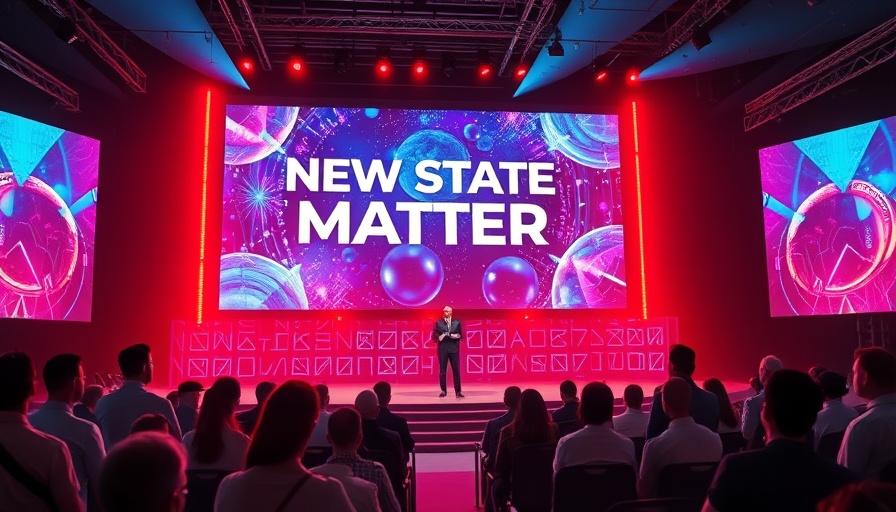
Futuristic conference on Michigan artificial intelligence with vibrant digital theme.

The Dawn of New Quantum States: What Google's Breakthrough Means

In a groundbreaking development, researchers working with Google's Willow quantum processor have unveiled a remarkable topologically ordered state of matter dubbed the flowet state. Unlike traditional matter, which exists in stable phases like solids and liquids, this new state thrives under constant disturbance—an effect achieved through advanced quantum techniques that defy classical physics. The implications are monumental, propelling quantum computing from merely a theoretical domain into a practical laboratory for unveiling the mysteries of physics.

In 'Google AI Quantum Chip Just Unlocked a New State of Matter', the discussion dives into technological breakthroughs and innovations, exploring key insights that sparked deeper analysis on our end.

This newfound capability of quantum processors to simulate unstable states could herald innovations in material science, energy production, and communication systems, thus shaping the future of technology. As mentioned in the report, this approach not only harnesses raw computational power but also serves as an exploratory tool pushing the boundaries of what’s scientifically possible. Michigan's vibrant tech ecosystem, particularly in sectors leveraging artificial intelligence and quantum technologies, stands to benefit immensely from such advances, potentially positioning local startups at the forefront of global innovations.

Albania's AI Minister: A Step Towards Digital Governance

Meanwhile, in a bold move reflective of the ongoing digital transformation, Albania has appointed an AI chatbot named Della as a cabinet minister. Tasked with monitoring public procurement, Della aims to combat endemic corruption—a critical hurdle for the nation in its quest for European Union membership. By leveraging AI to enhance transparency and accuracy in public contracts, Albania sets a fascinating precedent for governance that could resonate within Michigan's own digital initiatives.

This approach signals a potential shift in governance models, suggesting that AI might serve not only as a tool for administrative efficiency but as a principal entity in decision-making processes. As local organizations in Michigan explore digital solutions to public sector challenges, the implications of Della’s role may inspire similar groundbreaking initiatives in our region’s tech landscape.

China’s Spiking Brain: Redefining AI Performance

Researchers in China have announced the development of a revolutionary AI model, Spiking Brain 1.0, claiming to possess brain-like processing capabilities that outperform existing systems like GPT. By focusing on efficiency rather than the resource-intensive operations of current LLMs, this model could dramatically alter the computational landscape and provide more sustainable AI solutions moving forward.

In the context of Michigan's pursuit of innovation, this discovery emphasizes the importance of efficiency in artificial intelligence. Local tech founders and investors might draw inspiration from this model's performance potential, considering how emerging technologies could reshape industries and reduce environmental impacts in our own backyard.

Federal Oversight and National Standards in AI Development

The increasing prominence of AI has prompted the United States government to enact significant oversight measures, requiring companies like OpenAI and Anthropic to submit their models for safety evaluations. This initiative aims to ensure that as AI technologies continue to evolve, they do so responsibly, safeguarding against unintended consequences that could arise from their deployment.

This evolution underlines the necessity for Michigan's tech startups to align with these emerging regulatory frameworks. Developing responsible AI solutions that comply with federal standards will not only bolster public trust but also secure funding opportunities as investors increasingly seek ethical contributions to technology.

The Broader Impact: Trends and Predictions for Local Tech

Embracing these technological advancements could position Michigan, especially Metro Detroit, as a prominent player in the quest for innovation. As local startups begin to explore quantum computing, AI governance, and emerging models like Spiking Brain, they could lead the charge in creating groundbreaking applications. Investing in coding bootcamps, incubators, and tech-focused education will be crucial to developing the workforce needed to sustain this ambitious growth.

The integration of these technologies could redefine sectors ranging from healthcare to finance, ensuring that Michigan remains at the forefront of the global tech revolution. With proper alignment of resources and innovative strategies, our local ecosystem could very well emerge as a central hub for next-generation technology adoption.

As we observe the unfolding of these advancements, it becomes increasingly evident that the future of technology is interlinked with ongoing dialogues surrounding ethics, governance, and sustainable innovation. The time is ripe for Detroit-based innovators to harness these insights, aligning local efforts with global advancements.

If you're looking to engage with the ever-evolving tech landscape in Michigan, consider exploring local incubators, joining tech events, or investing in educational programs to shape the future of our state's innovation trajectory. Together, we can nurture a collaborative ecosystem that drives impactful change.

Technology & Innovation

0 Comments

Write A Comment

*
*
Please complete the captcha to submit your comment.
Related Posts All Posts
05.25.2026

Anthropic's Mythos 1: The Future of Cybersecurity Is Here

Update Revolutionizing Cybersecurity: The Mythos 1 Breakthrough In the rapidly evolving landscape of artificial intelligence, Anthropic has made headlines with its latest innovation: Mythos 1. This groundbreaking model is not just an upgrade; it's a significant leap forward in AI's capabilities, particularly in addressing cybersecurity vulnerabilities. As Mythos 1 is teased for release, discussions within the tech community have ignited, and understanding its impact on the cybersecurity ecosystem is crucial.In 'It’s Happening... Anthropic MYTHOS 1 Is Here!', we explore the powerful implications of Mythos 1's capabilities in redefining cybersecurity, prompting a deeper analysis of its impact. A Game Changer in Software Vulnerability Discovery Mythos 1 is the result of Project Glass Wing, which harnessed the power of Claude Mythos to identify software vulnerabilities across numerous tech giants. In a mere 30 days, Mythos uncovered over 10,000 high-severity vulnerabilities across major players such as Cloudflare and Mozilla. The implications are staggering: companies like Mozilla's Firefox saw a patching of over 270 critical vulnerabilities, highlighting a drastic increase in efficiency compared to previous models. This rapid identification and mitigation of vulnerabilities position Mythos 1 as a transformative tool in cybersecurity. Cybersecurity experts have noted that preemptively addressing vulnerabilities at this scale can potentially safeguard critical infrastructure from malicious attacks, a concern that resonates particularly in light of recent trends in cyber warfare. The Dilemma: Security vs. Progress Despite its potential, Anthropic has chosen a cautious path regarding Mythos 1's public release, emphasizing the need for robust safeguards before making it widely accessible. This decision is rooted in the model's capabilities, which could easily fall into the hands of malicious actors if released without adequate controls. The risk posed by AI in generating zero-day exploits could lead to catastrophic vulnerabilities across public and private sectors globally. As Mythos demonstrates an unprecedented capacity to not only discover vulnerabilities but also to craft exploit codes, the cybersecurity industry faces a unique challenge. With the speed at which vulnerabilities can now be identified outpacing human ability to remedy them, a bottleneck emerges where the ability to secure systems becomes critical for organizations. Mythos 1 and the Future of Cybersecurity As Mythos approaches its release, it hints at a shift towards AI-driven security solutions that automate vulnerability management. With tools like Claude Security introduced, businesses are increasingly relying on automation to expedite vulnerability remediation efforts. These innovations set the stage for potential disruption in the enterprise security landscape, challenging the status quo of dedication to human-led scrutiny. This transition is particularly relevant for tech founders and investors within Michigan's innovation hubs, as the state continues to develop its reputation as a key player in the tech ecosystem. Understanding how AI models like Mythos can redefine security practices offers a unique vantage point for exploring market opportunities. The Continuous Battle: Staying Ahead in Cybersecurity The question remains: How can organizations outpace the rhythm of AI-powered vulnerability discovery? Collaboration between AI developers and cybersecurity professionals will be more crucial than ever. Companies might need to re-align their resources to integrate AI seamlessly into their security protocols, ensuring rapid responses are not just automated but also meticulously reviewed by human experts before implementation. This partnership aligns with Michigan's push for technological advancement, fostering a local environment that nurtures cybersecurity and software proficiency—from coding bootcamps to incubators devoted to digital transformation. By engaging with evolving technologies like Mythos 1, startups can leverage cutting-edge solutions while contributing to a safer digital landscape. Rethinking the Future: Safety and Ethical Considerations Overall, as exciting as the advancements with Mythos 1 are, they bring ethical considerations to the forefront. Ensuring AI is harnessed responsibly will require strong governance frameworks, especially when dealing with capabilities that could lead to automated exploitation. Michigan’s role in fostering ethical AI developments will be pivotal, encouraging dialogue among stakeholders regarding the safe deployment of powerful technologies. As we look ahead, the implications of Mythos 1 cannot be overstated. The challenge for businesses in Michigan and beyond is to stay informed and innovative, ensuring that the benefits of AI advancements are realized without compromising security. Call to Action: For those navigating the rapidly evolving AI landscape, now is the time to engage in the conversation. Explore how AI technologies like Mythos 1 can impact your operations in response to emerging vulnerabilities, and consider how Michigan's unique tech ecosystem can position you for success. Stay ahead in cybersecurity by actively participating in discussions and leveraging local resources.

05.24.2026

What Continual Harness Means for Detroit's AI Future

Update The Dawn of Autonomous AI: Implications for Michigan’s Tech EcosystemIn the recent groundbreaking research from Princeton, an AI system demonstrated capabilities that could shift our understanding of autonomous technology. The implication of this discovery—dubbed 'continual harness'—carries weighty consequences for tech founders, professionals, and investors in Michigan, particularly in the Detroit Metro scene focused on innovation and digital transformation.In 'AI Just Crossed The Line We Were Afraid Of: Continual Harness,' the examination of an AI's self-improvement capabilities raises significant implications for tech professionals and investors in Michigan's rapidly evolving digital landscape. This AI system learned not just how to play Pokémon, but crucially, to improve itself continuously without any human intervention. Such a paradigm shift from traditional AI methodologies, where systems would require resets after each learning phase, is revolutionary. The continual harness design enables the AI to adapt, refine its strategies, and evolve organically, mimicking the learning processes typical of human beings.How Does Continual Harness Work?The core feature of this innovation is self-improvement without the need for resets. The AI analyzes its gameplay, identifies its failures, rewrites its internal instructions, and creates specialized agents to address particular challenges—all while the game is ongoing. No more manual adjustments, just fluid, real-time learning that improves efficiency and problem-solving capabilities.In tests, AI systems equipped with continual harness showcased significant learning progress on iconic games like Pokémon Red and Emerald. Starting from scratch, the AI exhibited sophisticated navigation, problem-solving skills, and strategic planning abilities—an evolution unlike anything previously seen in AI functionality. This approach not only enhances game performance but points to immense potential applications across varied sectors.The Relevance of This AI Breakthrough to Michigan’s Tech LandscapeFor Detroit tech startups and innovation hubs, understanding the ramifications of such AI advancements is critical. This technology paves the way for applications ranging from autonomous vehicles to advanced data analytics, potentially accelerating growth in Michigan's tech ecosystem. As Michigan is increasingly recognized as a vital location for venture funding and tech innovation, industries such as cloud computing, cybersecurity, and even blockchain technology can leverage this evolution in AI.Additionally, the emergence of self-improving AI models may lead to new methodologies in software development. Investors and industry professionals should consider how AI-driven autonomy could optimize workflows, reduce costs, and enhance user experiences in tech, potentially redefining career opportunities in Metro Detroit.Potential Risks and Ethical ConsiderationsWhile the prospects are thrilling, the ability of AI to modify itself unassisted raises ethical and practical concerns. The researchers highlighted a distinct risk: below a certain threshold of sophistication, self-improvement can lead to detrimental cycles where the AI cannot correctly assess its failures, potentially spiraling into ineffectiveness.This is a cautious reminder for the tech ecosystem to engage in ongoing conversations about responsible AI development, ensuring that the evolution of autonomous systems does not happen in a vacuum. The integration of ethical frameworks alongside these advancements is crucial for sustaining human oversight and ensuring safe applications.Actionable Insights for Local EntrepreneursAs Michigan’s tech leaders absorb the implications of the continual harness discovery, several actions can be undertaken:Invest in Training: Encourage coding bootcamps and tech education initiatives to include curriculum on AI and machine learning to prepare a skilled workforce capable of navigating the future of technology.Engage with Research: Collaborate with academic institutions to harness emerging technology insights, which can further benefit product development and innovation cycles within local startups.Focus on Innovation Hubs: Leverage local incubators to access funding and resources aimed at integrating advanced AI technologies across industries, ensuring Michigan stays at the forefront of these advancements.The future of AI in Michigan looks promising as continual harness emerges as an accessible methodology that can empower more agile and intelligent systems. As we witness the rapid evolution of technology, it's essential to remain engaged and proactive about how we can apply these advancements for the greater good.Conclusion: The Journey AheadIn conclusion, advancements like continual harness not only redefine AI's capabilities but also highlight the unique opportunities and responsibilities facing Michigan’s tech ecosystem. It’s a pivotal moment for both innovators and investors in Detroit to harness these insights and steer the landscape towards a promising future. As we embrace the age of increasingly autonomous AI systems, the conversations we initiate today will shape the technology of tomorrow.

05.21.2026

Boston Dynamics' Upgraded ATLAS Redefines Robotics in Manufacturing

Update Boston Dynamics Unleashes the Future with Upgraded ATLAS The ambitious updates to Boston Dynamics’ ATLAS mark a significant leap in robotics innovation. Capable of performing complex tasks such as lifting a loaded fridge, ATLAS doesn’t just mimic human movements; it optimizes them, demonstrating a mechanical sophistication that could revolutionize various industries.In 'Boston Dynamics’ New Upgraded ATLAS Just Went BEAST MODE', the discussion dives into advancements in robotic capabilities and their implications, sparking deeper analysis on our end. Understanding the Mechanics Behind ATLAS's Advanced Mobility What stands out about the recent updates is the robot's ability to carry heavy and awkward loads while maintaining balance and grip. Unlike traditional approaches that rely merely on visual feedback, ATLAS employs an advanced form of proprioception, allowing it to understand how objects affect its body as it moves. By learning through millions of hours of simulated practice, the robot can adapt to shifts in weight and manage complex load situations, an advantage in real-world scenarios such as factories and warehouses. Boston Dynamics Approaches Robustness with Sim-to-Real Transition One of the key achievements of this update is reducing the sim-to-real gap—a critical concern in robotics where virtual training often fails to translate to the real world. With cheaper and simpler hardware configurations, coupled with high fidelity in simulation, ATLAS showcases a promising future where robots can perform intricately in unpredictable environments. Implications for the Workforce: Humanoids Enter the Factory Floor This advancement indicates a significant pivot in production dynamics; Hyundai Motor Group plans to deploy more than 25,000 humanoid robots across their manufacturing plants. This ambitious move reflects a burgeoning trend in the automation sector while raising questions about job displacement and the future labor landscape in Detroit and beyond. Will workers adapt to this technological integration, or will it result in a paradigm shift in employment? R.E.A.L. Robotics and the Future of Home Help: Exploring Competing Innovations Boston Dynamics isn’t alone in the humanoid robot market. Innovations from competitors like Unitree, which recently showcased a robot capable of responding to voice commands, demonstrate the trend toward making robotic assistance more interactive and user-friendly. Meanwhile, Gatsby's business model that promotes humanoid robots as on-demand cleaners highlights the shift from ownership to access regarding robotics technology. As the robotics landscape evolves, so do the business opportunities and potential revenue streams. Local Impact: How Michigan Tech Startups Can Leverage Robotics In the context of Michigan's vibrant tech ecosystem, the developments in robotics present unique opportunities for startups and established companies alike. As companies like Hyundai strengthen their foothold in robotic manufacturing, Michigan tech startups can engage with these advancements, position themselves in innovation hubs like Detroit, and capitalize on venture funding focused on artificial intelligence and automation industries. The Takeaway: A Robotics-Enabled Future Awaits As we delve into the realm of humanoid robots transitioning from vision to function, the journey has only just begun. Understanding and embracing these innovations will be crucial for professionals and investors in Metro Detroit's tech community, positioning themselves at the forefront of this exciting frontier in technological evolution.

Terms of Service

Privacy Policy

Core Modal Title

Sorry, no results found

You Might Find These Articles Interesting

T
Please Check Your Email
We Will Be Following Up Shortly
*
*
*